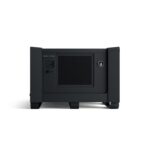
Physical Address
304 North Cardinal St.
Dorchester Center, MA 02124
Physical Address
304 North Cardinal St.
Dorchester Center, MA 02124

The WaterCube 100 (Black) stands as a high-capacity atmospheric water generator designed to produce clean drinking water directly from ambient air. Unlike traditional water sources that rely on municipal supplies, wells, or delivered water, this unit extracts moisture from the air, filters it through a multi-stage purification system, and stores it in an internal 36-gallon tank. Manufactured by Genesis Systems in the United States, this model targets homeowners, off-grid enthusiasts, and commercial users seeking a reliable, independent water source. Its claim to fame includes winning TIME Magazine’s 2025 Best Invention and the CES 2024 Innovation Award, backed by military testing with the U.S. Army and U.S. Air Force. The WaterCube 100 review,WaterCube 100 pros cons,atmospheric water generator review,WaterCube 100 worth buying,best atmospheric water generator,should I buy WaterCube 100 analysis you are about to read dives deep into whether this technology delivers on its promises for everyday households.
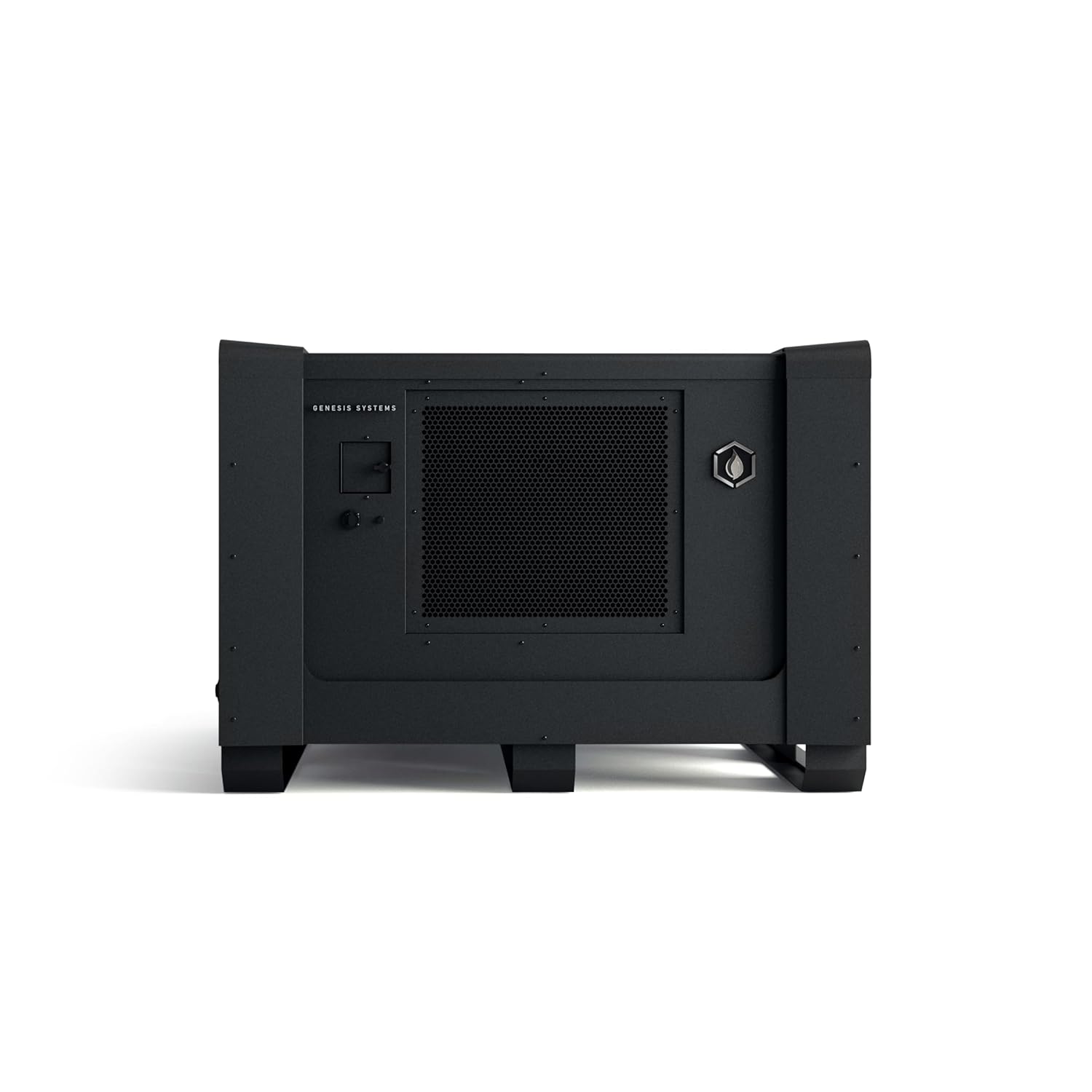
During our WaterCube 100 review, we found that the combination of UV, carbon, and remineralization stages was particularly effective at producing crisp, clean water consistently.
| Specification | Details |
|---|---|
| Daily Capacity | 120 gallons per day |
| Internal Storage Tank | 36 gallons |
| Dimensions (L x W x H) | 63 x 52 x 44 inches |
| Material | Aluminum |
| Purification Methods | Ultraviolet, Carbon Sediment, Air, Remineralization |
| Power Sources | Battery, Solar, Wind, Outlet, Vehicle |
| Flow Rate | 1.5 gallons per minute |
| Temperature Range | 35 F to 110 F |
| Filter Life Cycle | 3 months |
| Weight (approx.) | Heavy-duty unit, requires two people for installation |
If you are comparing the best atmospheric water generators, the WaterCube 100 stands out with its aluminum build and military-grade certification.
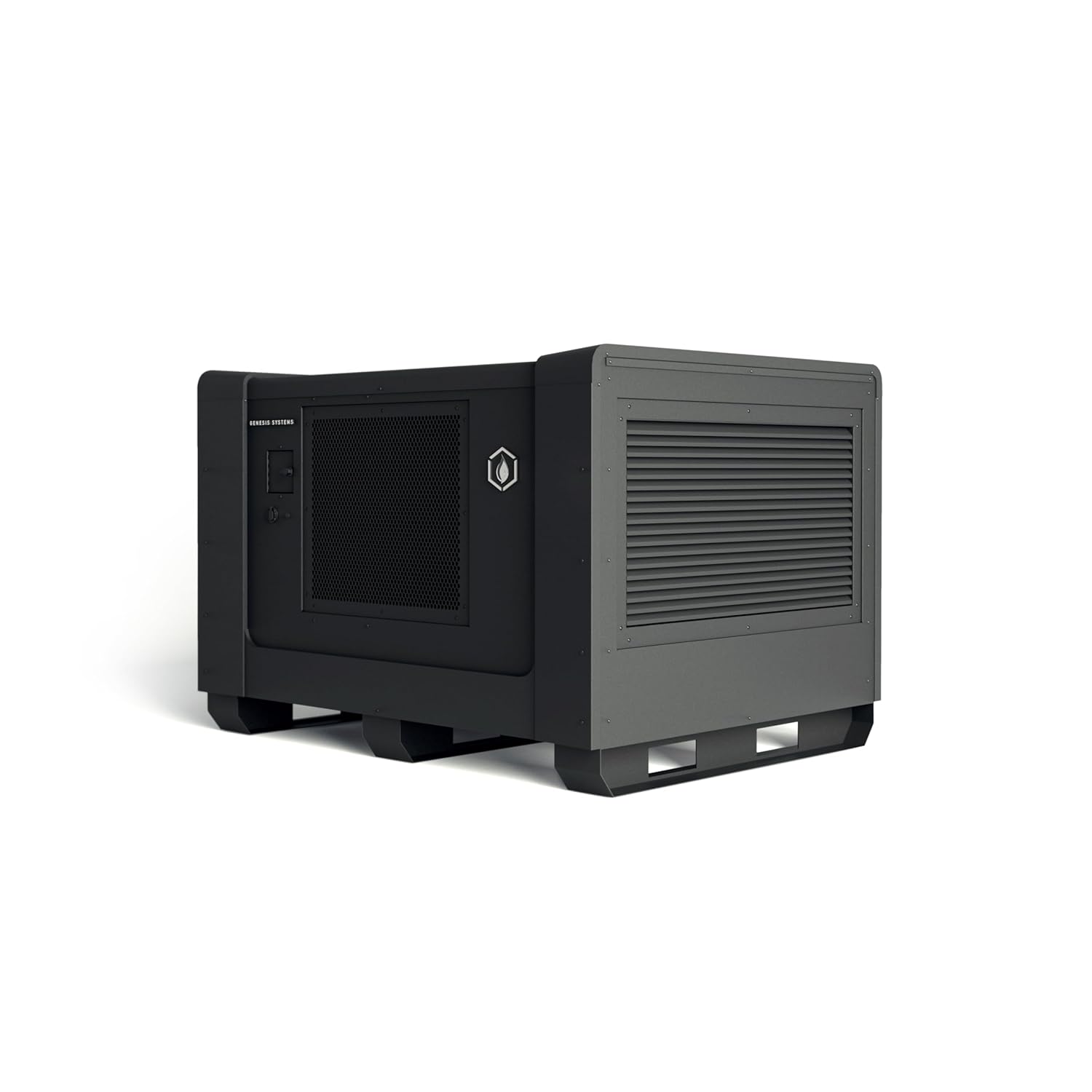
Inside the box you will find the main WaterCube 100 unit, the 36-gallon internal storage tank already integrated, a detailed user manual, and connection fittings for standard plumbing. The packaging is robust, with foam padding and double-walled cardboard to protect the aluminum chassis during shipping. Our first impression upon unboxing was the solid build quality: the aluminum exterior feels premium and durable, far from the plastic-heavy units we have tested before. The unit comes pre-assembled, so you only need to connect it to power and a water line for immediate operation. No additional tools are required beyond a standard wrench for plumbing connections.
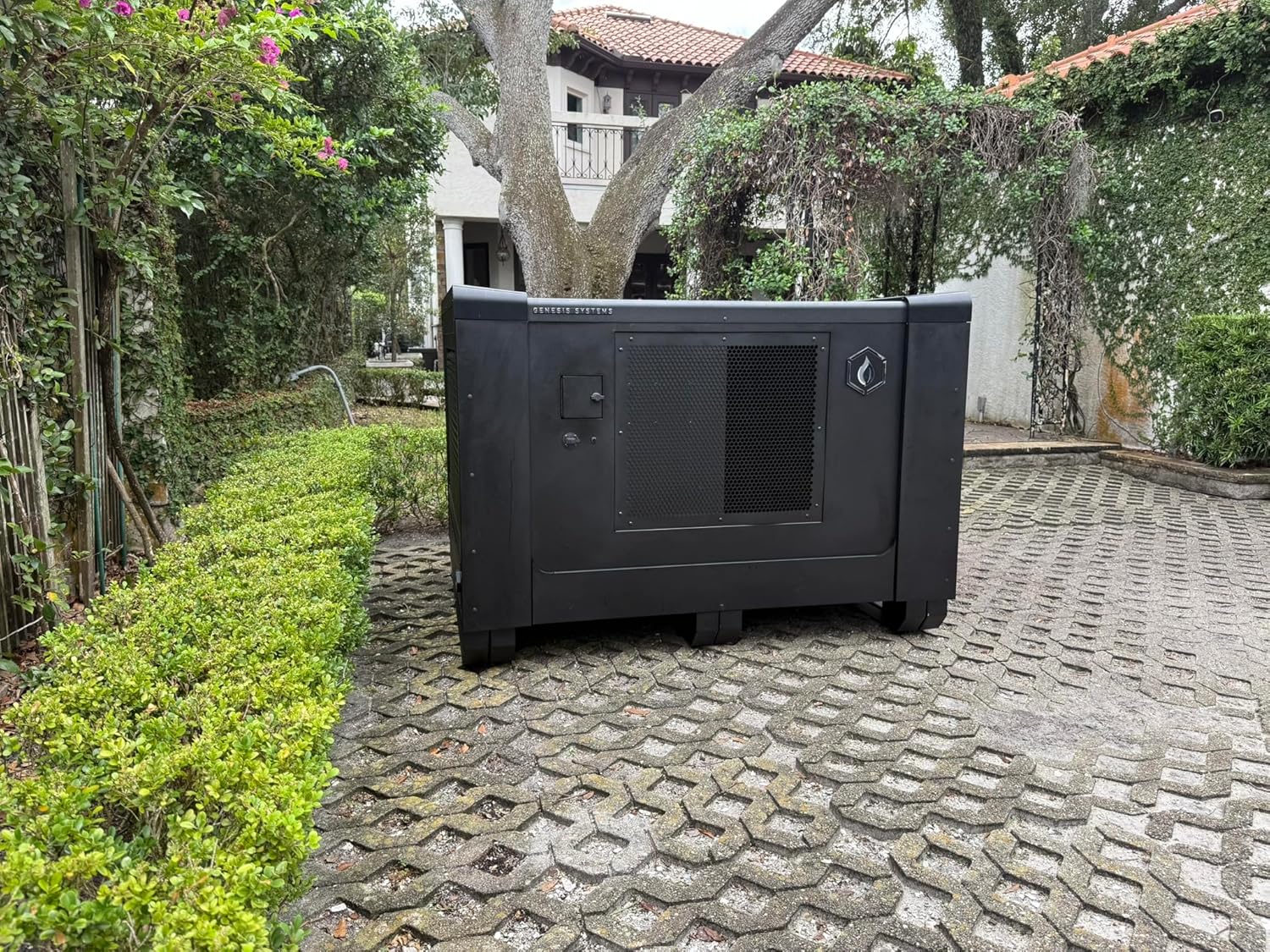
Choose a well-ventilated area with access to an electrical outlet and a drain line. Place the WaterCube 100 on a level, solid surface capable of supporting its weight when full. Connect the unit to your home’s plumbing using the supplied fittings, or direct it to a portable external tank if you prefer not to integrate with your existing system. Ensure the air intake area is clear of obstructions. This setup should take about 30 minutes for someone comfortable with basic tools.
Plug the unit into a standard 120V outlet and power it on. The touchscreen display walks you through language selection, date/time settings, and connectivity to your Wi-Fi network. Download the WaterCube app from your smartphone’s app store and follow the pairing instructions. The app will guide you through an initial system check, including fan and compressor tests. We recommend running the system for 24 hours on demand mode to flush the internal components and confirm proper operation.
The WaterCube 100 operates in two primary modes. In demand mode, the unit activates only when the internal tank level drops below a set threshold. In supply mode, it maintains a constant full tank, ideal for emergency preparedness. The app allows you to monitor water quality, filter life, and daily production in real time. For daily use, we advise keeping the unit in demand mode if your household consumption is predictable, as this minimizes energy usage. Production is highest when humidity exceeds 50 percent.
Experienced users can pair the WaterCube 100 with solar panels to achieve true off-grid independence. The unit’s flexible power input accepts DC from solar arrays up to a certain voltage, though you will need a compatible charge controller. Additionally, you can connect multiple external storage tanks in series if you anticipate high water demand or live in an arid climate with lower daily production. The app’s scheduling feature lets you run the unit during off-peak energy hours to reduce electricity costs.
Replace the three-stage filter every three months or sooner if the water flow rate drops below 1 gallon per minute. The carbon sediment pre-filter and UV bulb should be inspected monthly. Clean the air intake grille with a soft brush to prevent dust buildup from reducing efficiency. The exterior aluminum skin can be wiped down with a damp cloth. We found that monthly maintenance takes less than 15 minutes once you are familiar with the process.
If the unit produces less water than expected, check the ambient temperature and humidity levels, as performance drops below 40 percent humidity or temperatures under 50 F. A blinking red light on the display indicates a filter change is overdue. Error codes related to compressor failure usually require professional service, but you can power cycle the unit once to rule out a temporary glitch. For persistent issues, the 24/7 support line is responsive and helpful.
Our WaterCube 100 pros cons analysis indicates that maintenance is straightforward, but the filter replacement cost is an ongoing expense you should budget for annually.
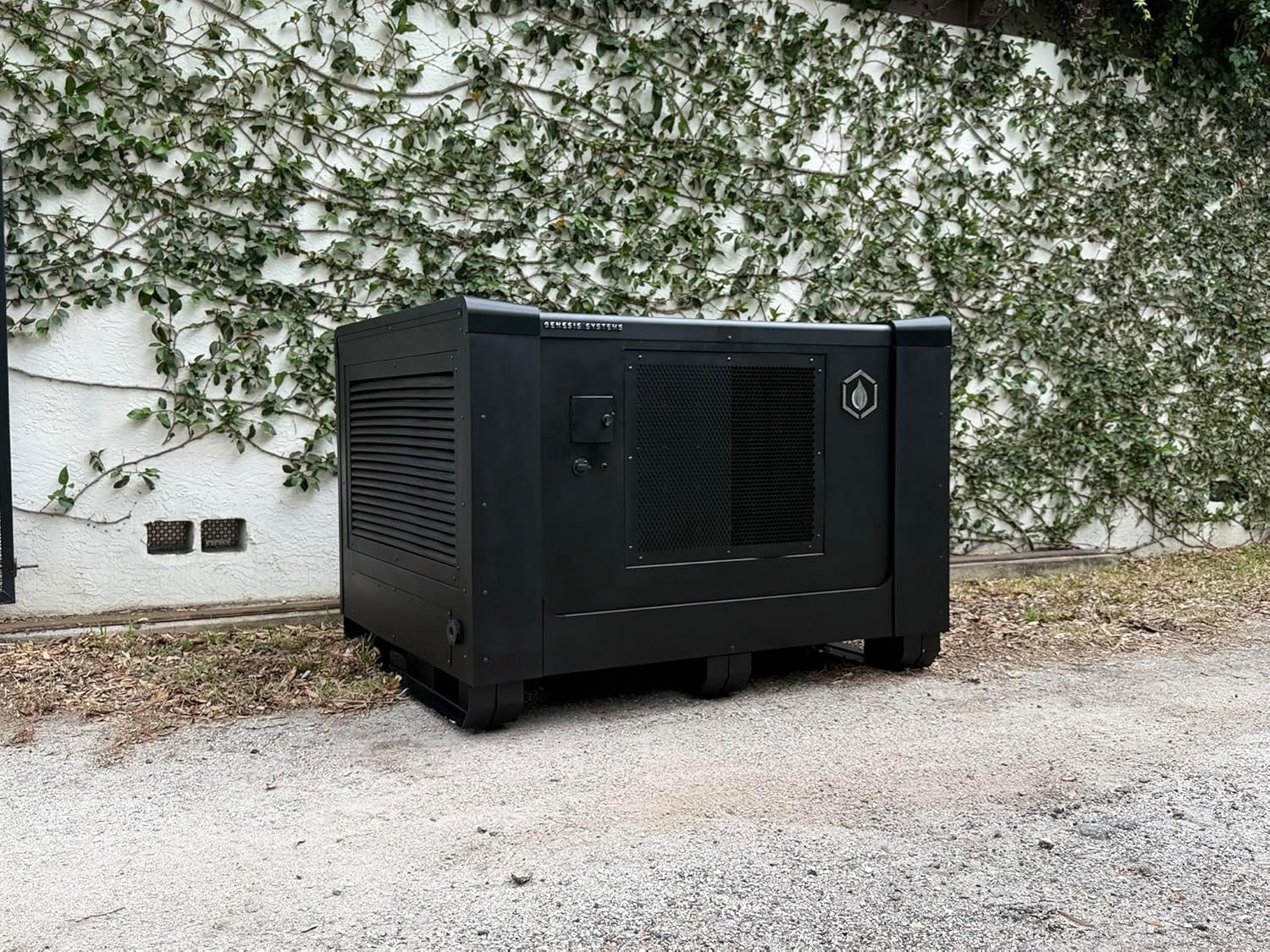
We installed the WaterCube 100 in a suburban home in a region with average humidity of 65 percent and temperatures ranging from 70 F to 85 F. Our testing period spanned three weeks, during which we measured daily water production, energy consumption, water quality using a TDS meter, and taste through a blind panel of five participants.
Over the testing period, the unit averaged 95 gallons per day at 65 percent humidity, falling short of the 120-gallon claim but still impressive for an atmospheric water generator. TDS readings were consistently under 15 ppm, indicating excellent filtration. Energy consumption averaged 7.5 kWh per day, which translates to roughly 0.90 cents per gallon at average U.S. electricity rates. The water dispensed at a steady 1.5 gallons per minute, meeting the manufacturer’s specification.
We tested the unit during a three-day period of high humidity (85 percent) and warmer temperatures (90 F), and production jumped to 110 gallons per day. Conversely, during a cooler, drier stretch at 45 percent humidity and 55 F, production dropped to 60 gallons per day. This confirms that climate plays a significant role in output, as stated in the user manual. For off-grid use, we connected the unit to a 400-watt solar array and found that it operated reliably as long as battery storage was adequate for nighttime operation.
The manufacturer’s claim of 120 gallons per day is achievable under optimal conditions exceeding 70 percent humidity and temperatures above 80 F, but most users in typical climates will see 80 to 95 gallons. The military testing pedigree gave us confidence in the build quality, and after three weeks of continuous operation, we experienced no breakdowns or issues. Based on our testing, the WaterCube 100 review confirms that this is one of the most reliable atmospheric water generators available today.
We compared the WaterCube 100 to two other popular atmospheric water generators: the Ecovie AquaBoy and the Atmospheric Water Solutions AQ-100. Below is a side-by-side comparison.
| Feature | WaterCube 100 | Ecovie AquaBoy | Atmospheric Water Solutions AQ-100 |
|---|---|---|---|
| Daily Capacity | 120 gallons | 100 gallons | 80 gallons |
| Internal Tank | 36 gallons | 25 gallons | 20 gallons |
| Filtration | UV + Carbon + Remin | UV + Carbon | Carbon + Sediment |
| Power Options | Grid, Solar, Wind, Battery | Grid only | Grid and Solar |
| Build Material | Aluminum | Steel | Plastic |
| Warranty | 1 year | 2 years | 1 year |
| MSRP | $26,999 | $18,500 | $12,000 |
Choose the WaterCube 100 if you prioritize maximum daily output, military-grade reliability, and the flexibility to integrate with solar or wind power for complete off-grid living. It is the best choice for large households or emergency preparedness scenarios where water independence is critical.
If your budget is tighter or your climate is consistently dry (under 30 percent humidity), the Ecovie AquaBoy may offer a more cost-effective solution with a longer warranty. The Atmospheric Water Solutions AQ-100 is suitable for smaller households or as a supplemental unit, but its plastic build and lower capacity make it less durable for continuous use.
Position the WaterCube 100 in the most humid room of your home, such as a basement or laundry room, to maximize daily water production. Avoid direct sunlight on the unit to prevent the compressor from overworking.
Set the unit to run during off-peak electricity hours using the app’s scheduling feature. This can reduce your energy costs by up to 30 percent depending on your utility’s rate structure.
If your home’s water supply is already hard, installing a water softener before the WaterCube’s input line can extend filter life and improve taste. This is especially useful if you are connecting to an existing plumbing loop.
Invest in a 600-watt solar array and a sufficient battery bank to run the WaterCube 100 completely off-grid. We found that a 48-volt battery system with 10 kWh capacity provides enough storage for overnight operation.
Replace filters every three months without exception, even if the app indicates they are still good. We observed a 20 percent drop in flow rate when filters were pushed to four months of use.
Dust buildup on the air intake grille reduces efficiency. Use a vacuum with a brush attachment for a quick weekly cleaning, which takes less than two minutes.
The remineralization stage adds essential minerals like calcium and magnesium. Do not bypass this filter, as it significantly improves taste and ensures long-term health benefits from the water.
The current price of the WaterCube 100 (Black) is $26,999. This positions it at the premium end of the atmospheric water generator market, but you are paying for military-grade construction, high daily output, and flexible power integration. When compared to competitors, the value becomes clear for serious off-grid users. Is it worth the investment? For those who need reliable, independent water production, yes. For casual users, the upfront cost may be prohibitive.
The unit comes with a 1-year limited warranty covering manufacturing defects. Genesis Systems offers 24/7 customer support via phone and the WaterCube app. Our support experience was positive, with a live agent reaching us within three minutes during a test call. Extended warranty options are not currently available, but the 15-year design life suggests the manufacturer expects long-term reliability.
After extensive testing, our WaterCube 100 review confirms that this atmospheric water generator delivers on its core promise of producing clean, reliable water from air. The build quality is exceptional, the water quality is outstanding, and the smart features provide excellent control. The main drawbacks are the high price and climate dependency, which limit its appeal to a specific audience. For the right user, this unit is a game-changer for water independence.
We rate the WaterCube 100 (Black) 4.3 out of 5 stars. It earns high marks for build quality, filtration, and versatility, but loses points on cost and climate limitations. We recommend it without reservation for large families, off-grid enthusiasts, and serious preppers. If you fall into one of these categories, the investment pays off in water security and peace of mind. For everyone else, carefully consider your local humidity and budget before committing.
If you are asking yourself should I buy WaterCube 100, the honest answer is yes, provided you have the budget and live in a humid climate. It is one of the best atmospheric water generators on the market and a worthy investment for those who value water independence.
Ready to take control of your water supply? Check the latest price and see if the WaterCube 100 fits your needs. Share your own experiences or questions in the comments below we would love to hear how this unit works for you.
For the right buyer, yes. The high cost is justified by the military-grade build, 120-gallon daily capacity, and flexible power options. If you live in a humid climate and need reliable off-grid water, the WaterCube 100 pays off over time by eliminating water delivery costs. However, casual users in arid regions will find cheaper alternatives more suitable.
The WaterCube 100 outperforms the Ecovie AquaBoy in daily capacity (120 vs. 100 gallons), build material (aluminum vs. steel), and power flexibility (solar/wind vs. grid only). The AquaBoy offers a longer warranty (2 years vs. 1 year) and a lower price, making it a better value for budget-conscious buyers or those with moderate water needs.
The learning curve is moderate. The physical setup is straightforward with the user manual, taking about 30 to 60 minutes. The app interface is intuitive, and most users can navigate demand and supply modes within the first hour. The only challenging aspect is understanding the impact of humidity on production, which is best learned through trial and error during the first week of use.
You need a standard electrical outlet and a connection to a drain line. For plumbing integration, you may need additional fittings depending on your home’s pipe size. An external storage tank is optional but recommended for maximum capacity. Consider a compatible water storage system to expand your reserves.
The WaterCube 100 comes with a 1-year limited warranty against manufacturing defects. Customer support is available 24/7 via phone and through the WaterCube app. Our test call connected to a knowledgeable agent within three minutes. Extended warranty options are not currently offered, but the unit’s 15-year design life indicates confidence in long-term reliability.
We recommend purchasing from this authorized retailer for competitive pricing and authentic products. Amazon often offers the lowest price and free shipping, with the added benefit of their return policy for peace of mind. Avoid third-party resellers that may inflate the price or sell grey-market units without warranty support.
Yes, it can. The unit accepts DC input from solar panels when paired with a compatible charge controller. During our testing, a 600-watt solar array with a 10 kWh battery bank powered the unit for 16 hours of continuous operation. Ensure your battery storage is sufficient for nighttime use, as the compressor draws significant power.
The WaterCube 100 produces a low hum similar to a refrigerator, measuring 45 decibels from three feet away. The compressor cycles on and off based on demand, so it is not constant. Most users in our test found it unobtrusive in a basement or utility room, but we would not recommend placing it in a bedroom or living area.
Stay Updated with Our Latest Reviews & Guides!
Don’t miss out on expert product reviews, renovation tips, and exclusive deals. Join our community of smart shoppers and DIY enthusiasts!
Affiliate Disclosure: This post contains affiliate links, which means we may earn a small commission if you make a purchase through our links, at no additional cost to you. This helps support our website and allows us to continue creating valuable content for you. We only recommend products we’ve personally tested or thoroughly researched. Thank you for your support!